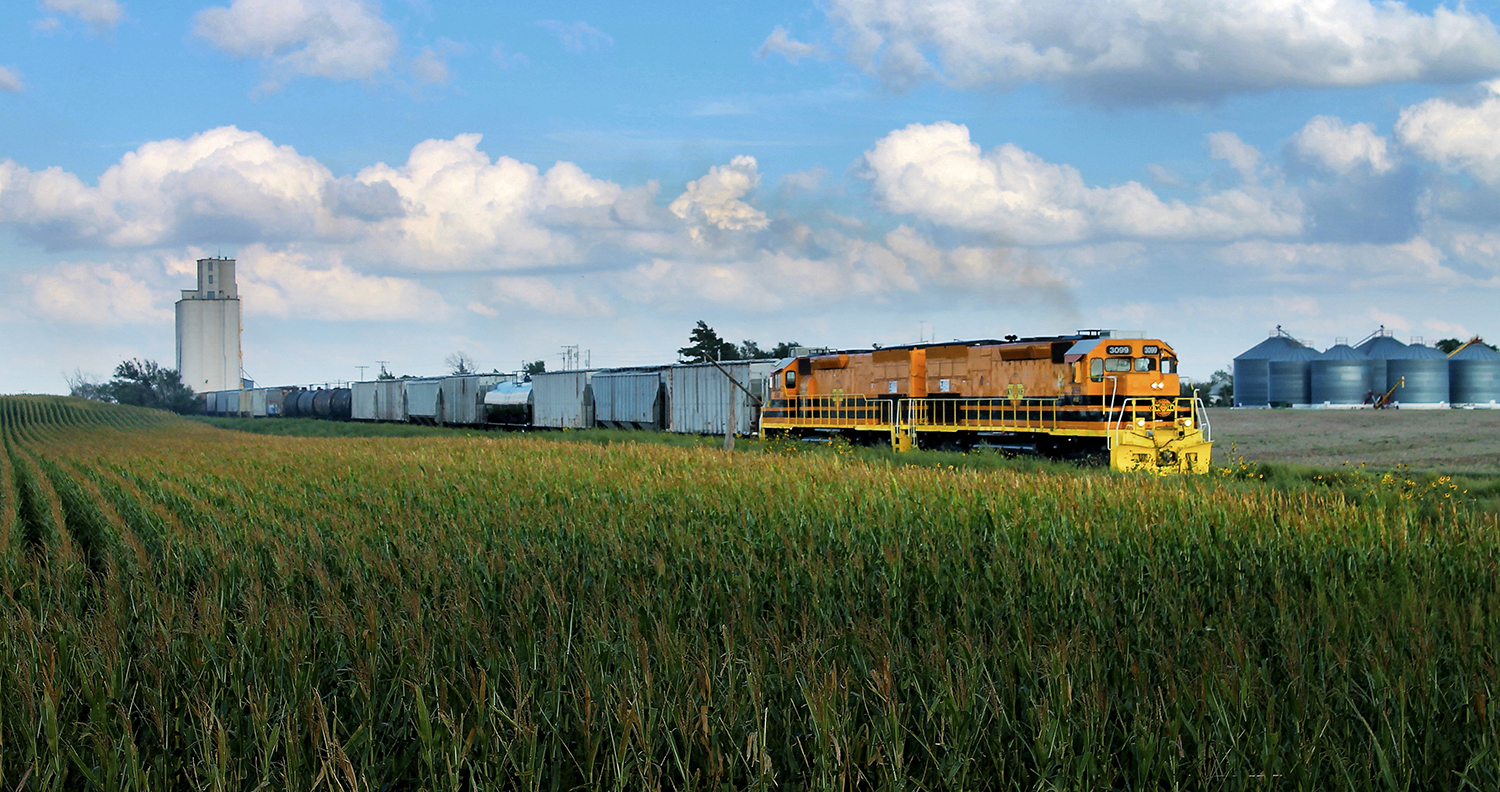
Short lines are celebrating this summer, recognizing the opportunities that America has presented to entrepreneurial risk-takers, and the railroad network’s role in driving economic growth and prosperity in the communities they serve.
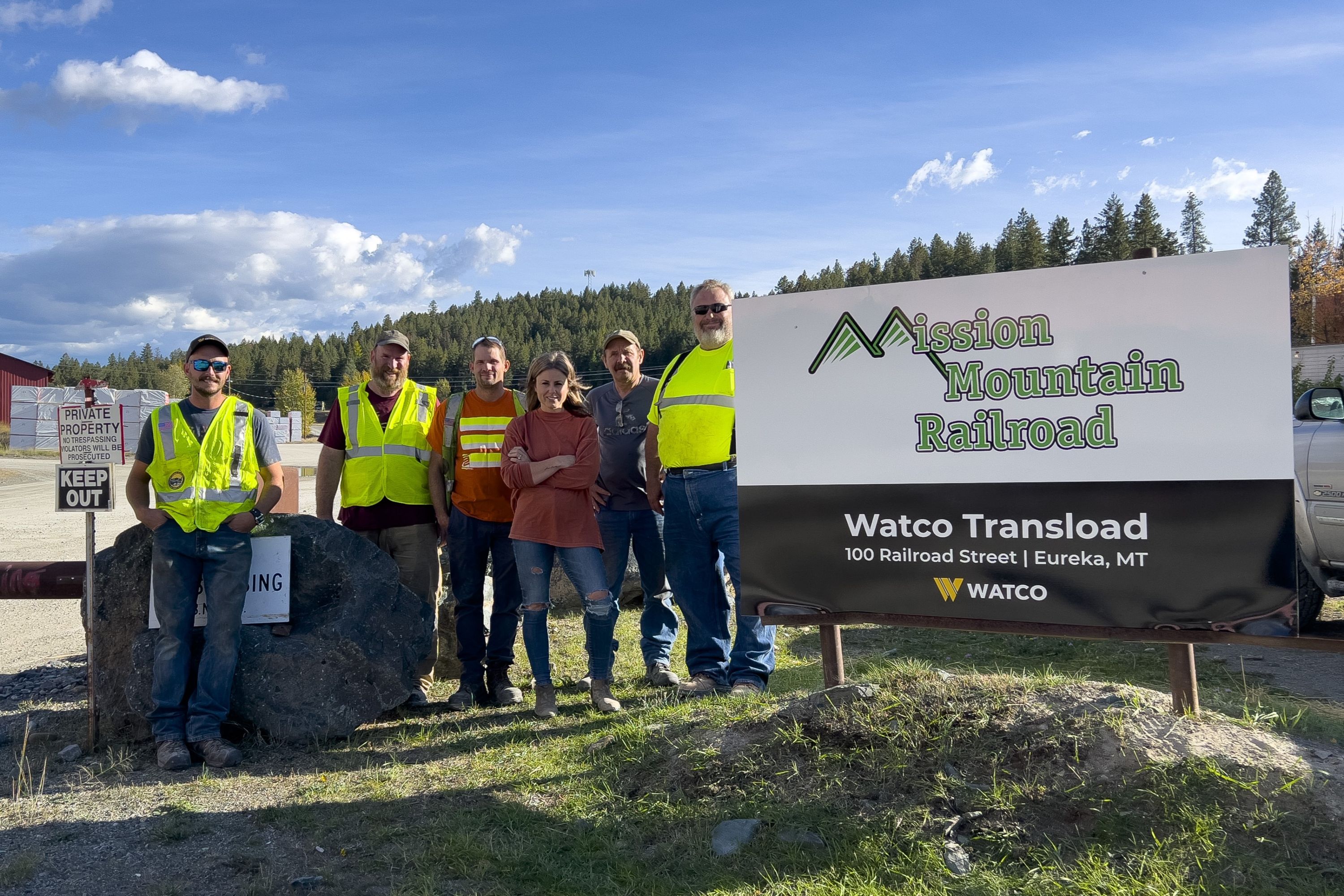
Like the small mom-and-pop shops that can be found in neighborhoods across the U.S., most short line railroads are small businesses. On average, they employ fewer than 30 people. Many short lines are family owned and operated, and often the business is passed down from parents to children and grandchildren.
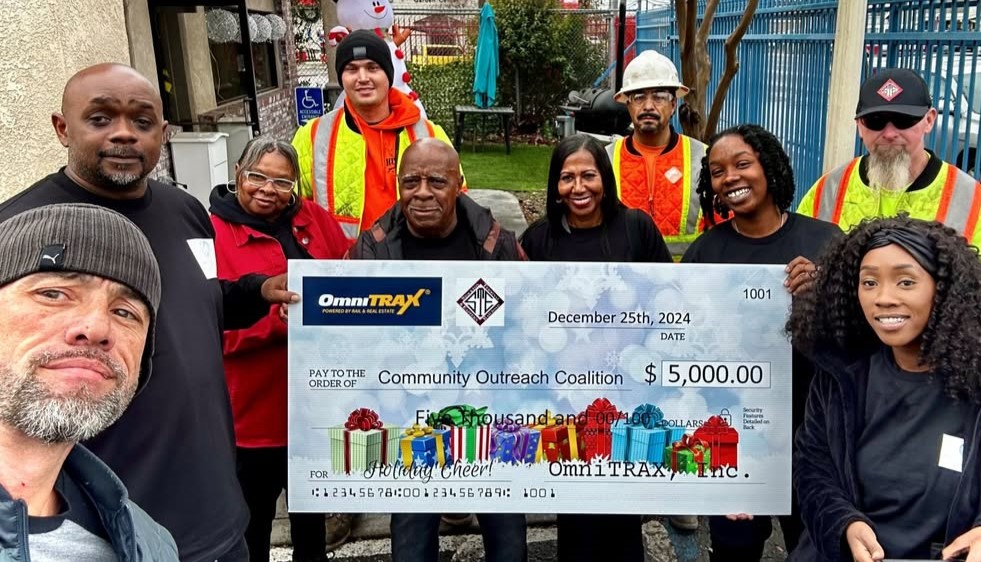
For these small railroads, community connection is a priority because their employees and their families live where they work. Short lines support local events, host fundraisers and strive overall to be good stewards.
The American story is one of success built up from opportunity and hardship. The short line industry is the same. Many of today’s short line railroads came about when scrappy entrepreneurs saw a chance to take on a rail line that was being abandoned or sold.
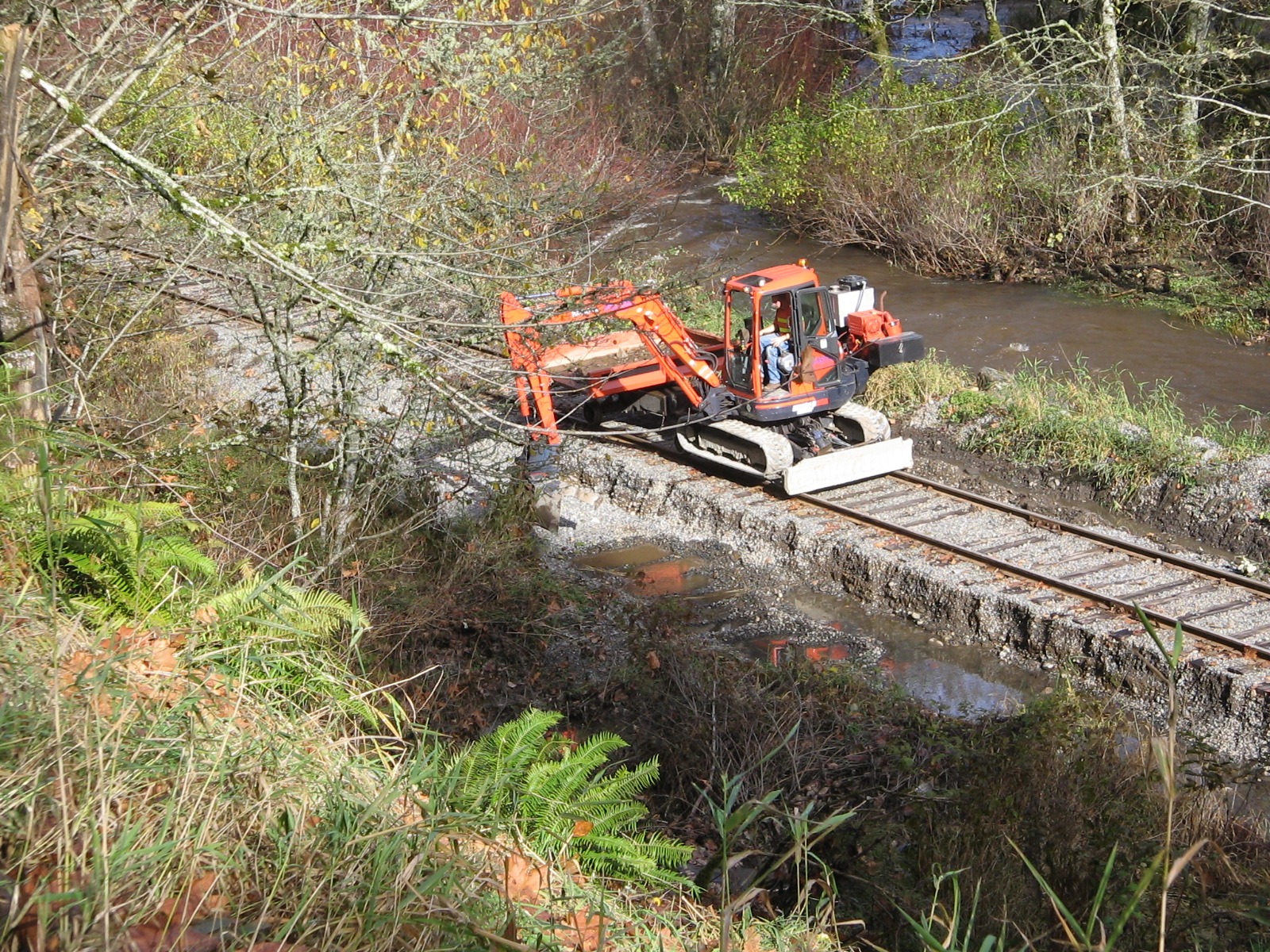
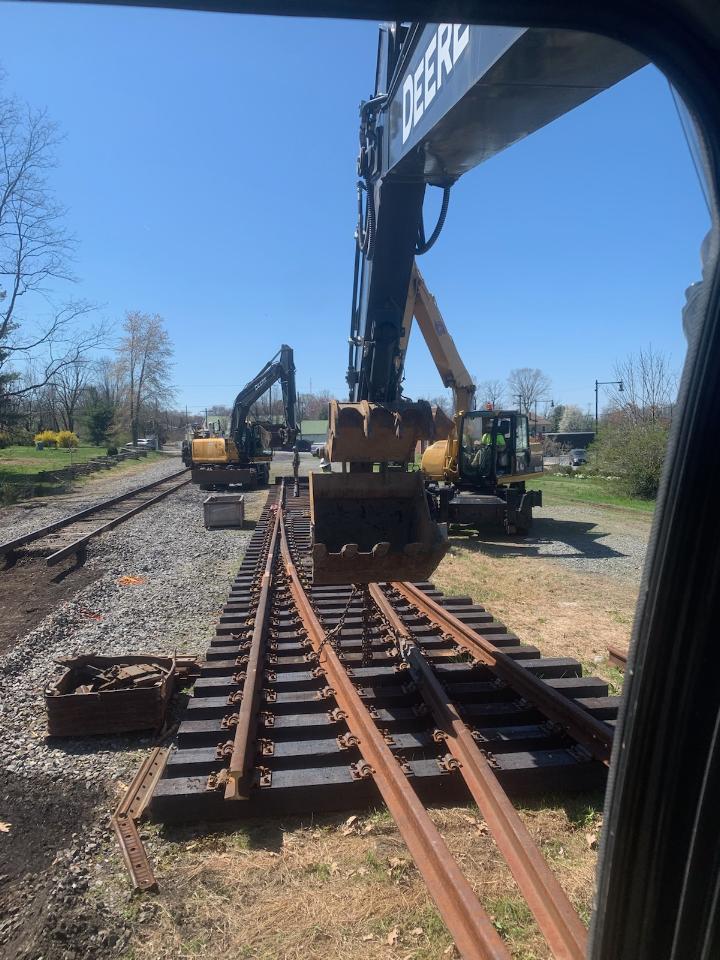
Many of these lines were unprofitable segments that had experienced years of deferred maintenance. Their new owners had to rehabilitate that infrastructure, attract customers, upgrade equipment and more, often rebuilding almost completely from scratch. Short line railroads know how to do more with less, thriving when the odds seem against them.
View All 250th Anniversary
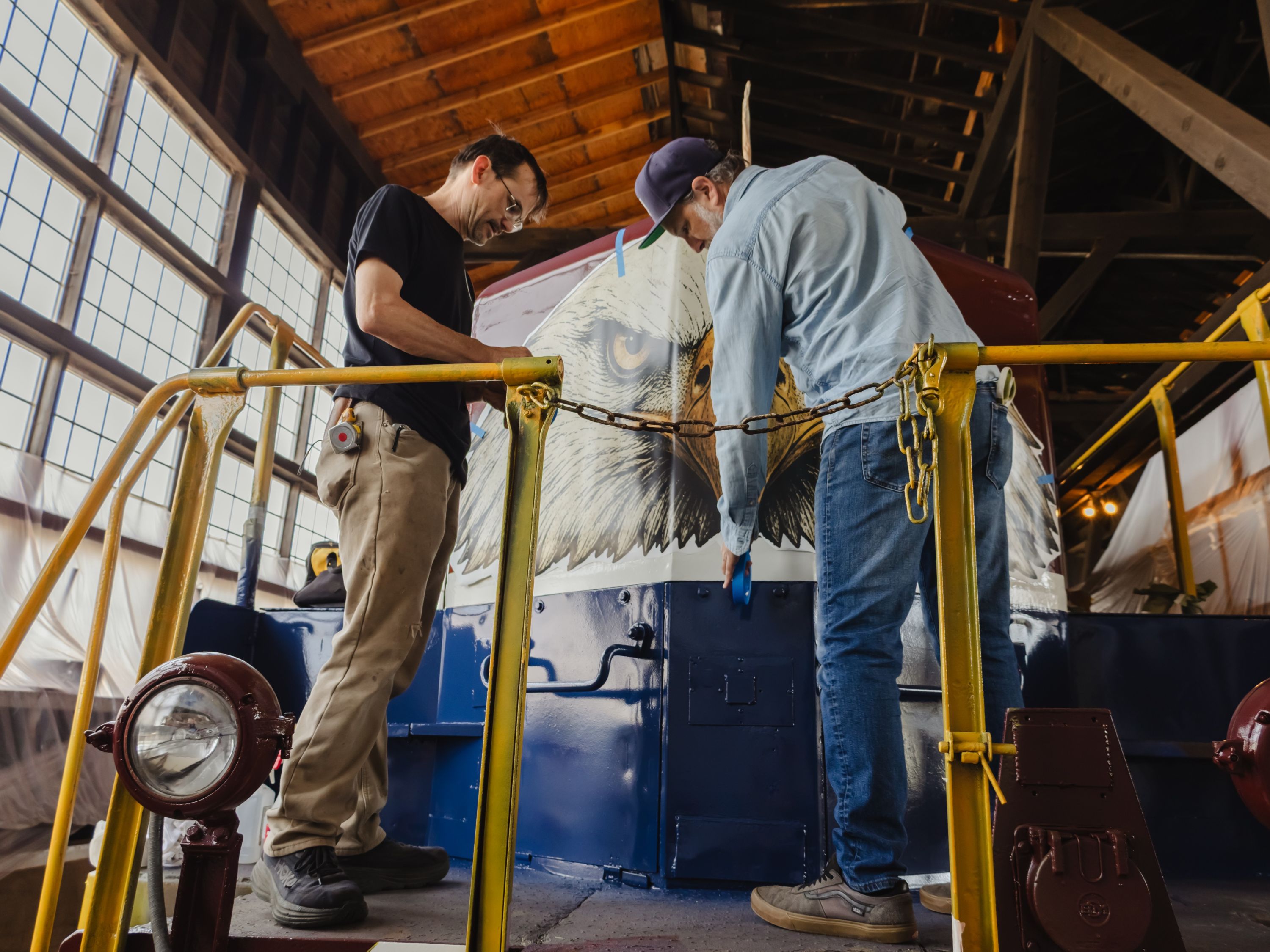
Tribute Locomotives
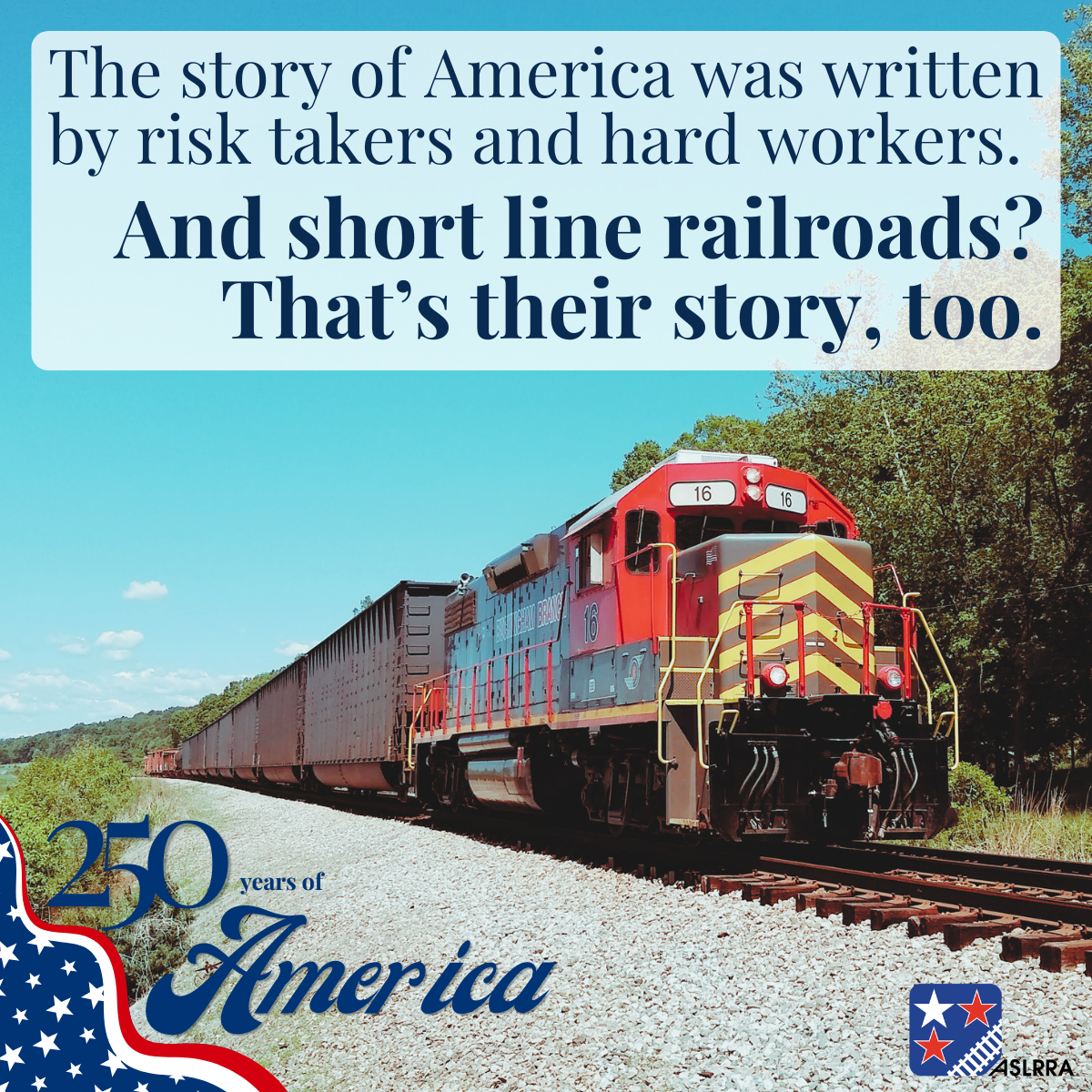
Spread the word about short lines and America’s 250th anniversary! Access a suite of social media graphics, draft post text and a press release template.
America’s beautiful landscapes have captivated people since the nation’s earliest days and shipping by rail helps preserve that breathtaking scenery. Far from old-fashioned images of locomotives spewing dirty black smoke, today’s trains are the most environmentally friendly way to move freight over land.
One train can move one ton of freight nearly 500 miles on one gallon of fuel. Beyond that, short lines actively work to reduce their environmental impact in various ways, never shying away from using new tools to help them achieve this goal. These efforts include replacing older locomotives with more fuel-efficient versions, even zero-emission ones. Short lines further lower their environmental impact by adopting advancements in fuel management and idle reduction technology, using solar power, renewable energy sources and biofuels where possible, and participating in recycling and other sustainability initiatives.
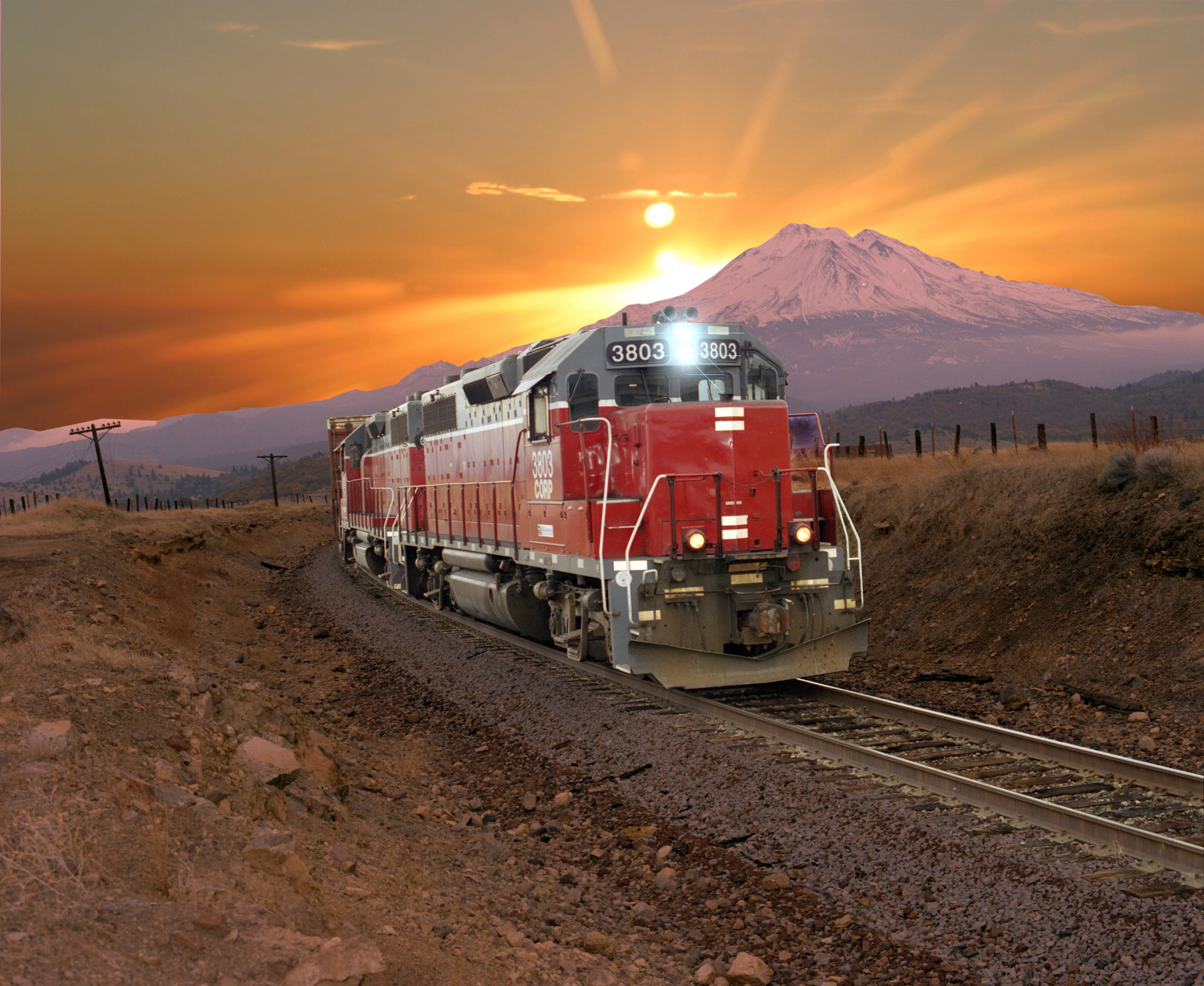
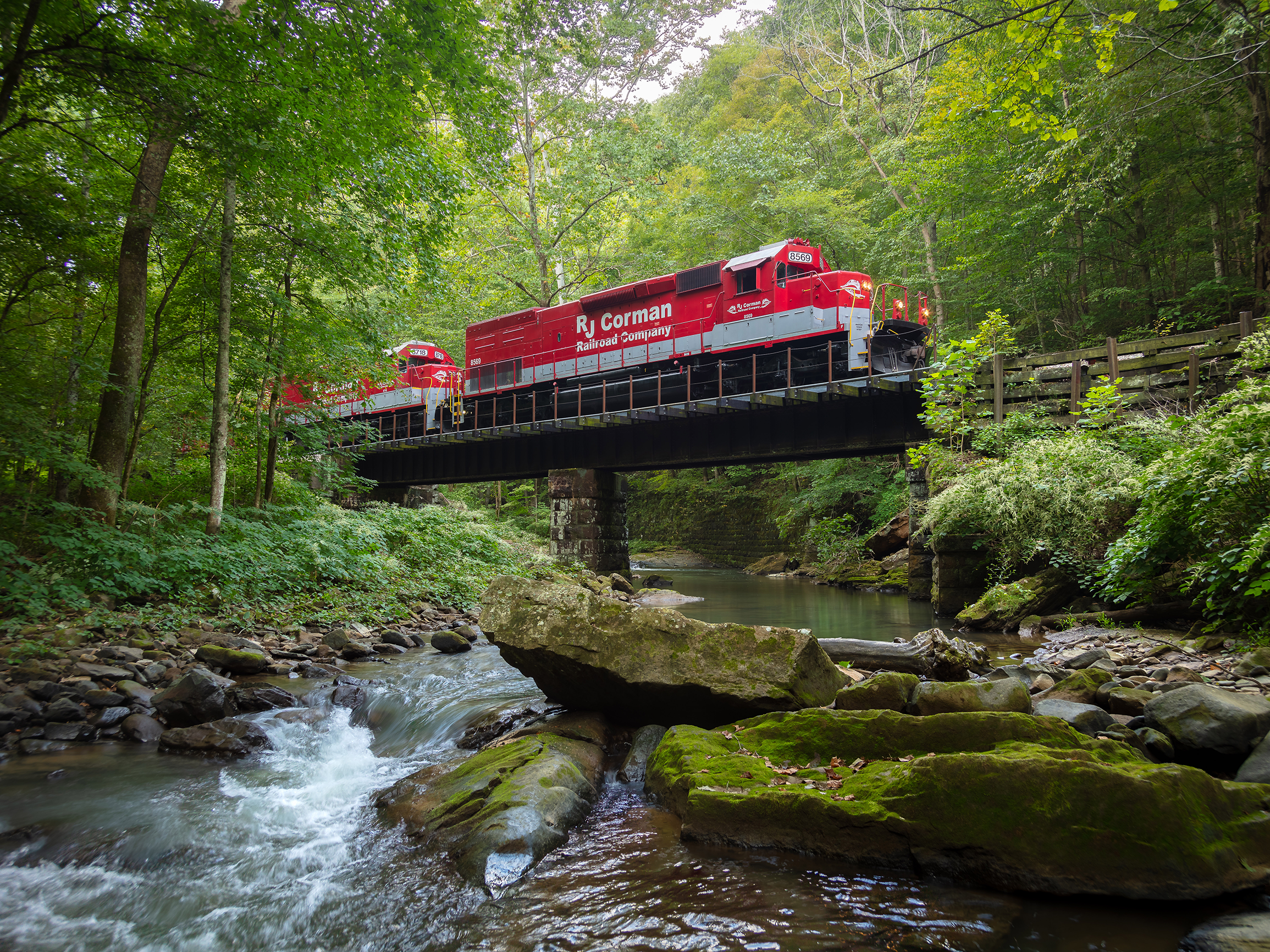
Not all Americans are familiar with the short line industry, but everyone reaps the benefits of these freight railroads. Short lines serve a broad mix of industries, handling one in five carloads moved every year. They help deliver almost everything found in a U.S. household, from food to textiles to electronics to cars. To achieve this, short lines employ thousands nationwide, contributing millions of dollars to local, state and national economies.
In rural areas, small railroads are often a business’s only connection to the national network and global marketplace. Thanks to short lines, these businesses can stay where they are, continuing to provide local employment, tax revenue and other benefits.
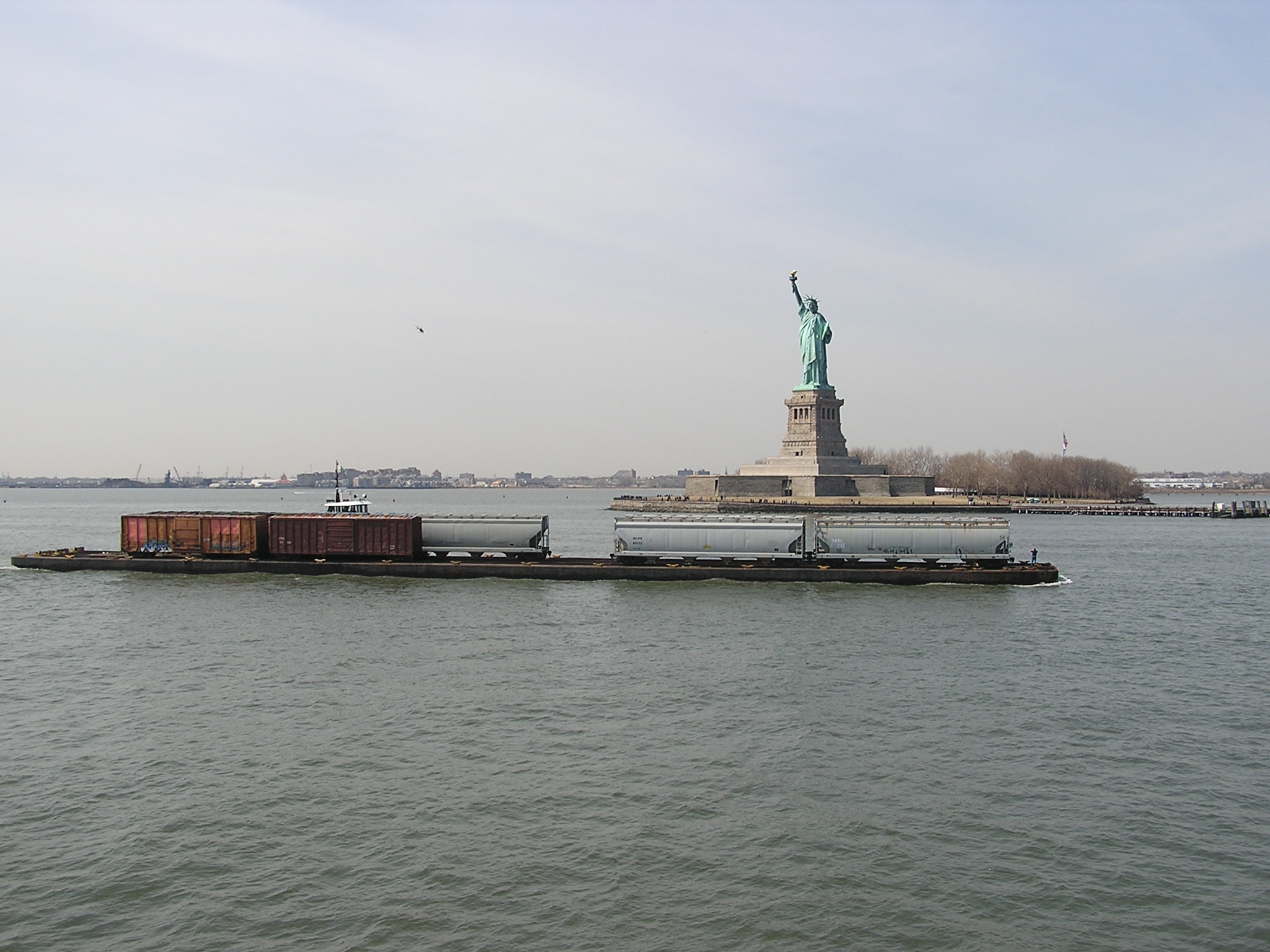
In cities, small railroads can be found winding their way around busy roads and tall buildings. With one railcar able to hold three to four truckloads-worth of cargo, these trains help take hundreds of big trucks off congested streets every year. This not only has a positive effect on traffic, it helps reduce wear and tear on roads, lowers emissions and eases the burden on taxpayers who fund highway repairs.