

North Shore Railroad Raises $12,000 for Veterans
OmniTRAX CEO Piacente announces retirement
Mt. Rainier Railroad seeks to acquire, operate Tacoma Rail line
News photo: Genesee & Wyoming’s latest USA 250th locomotive honors transcontinental railroad
Railroad members! If you want to be featured in this section, please email us the link. You can also tag us (@ASLRRA) in your social media posts. Interested in seeing your railroad showcased in your local newspaper? Contact Amy Krouse for assistance.
Each year, ASLRRA recognizes two individuals for their significant contributions and consistent dedication to safe operations on their railroads. This year’s Safety Professional of the Year is Matt Carne, senior manager, safety and training at Modesto & Empire Traction Company, and the Safety Person of the Year is Joe Wilcox, conductor and engineer at Watco.
“Safety is the one non-negotiable in the short line railroad industry. While short lines are known for always getting to yes, delivering for customers and growing local economies, an unrelenting focus on safety underpins everything they do,” said ASLRRA President Chuck Baker. “ASLRRA’s Safety Person and Safety Professional Awards recognize individuals who go above and beyond what is required to bring every railroader home safely every night – they are prestigious honors in the industry and are extraordinarily meaningful to the recipients. I’m looking forward to recognizing Matt Carne as the 2026 Safety Professional of the Year, and Joe Wilcox as the 2026 Safety Person of the Year at our upcoming Annual Conference & Exhibition.”
The Safety Professional of the Year award honors a safety management employee of an ASLRRA Class II or Class III member railroad who is responsible for safety programs, training and the overall management of safe behavior and actions on their railroad(s).
The Safety Person of the Year Award recognizes an employee of an ASLRRA Class II or Class III member railroad who works with management on effective safety programs and exhibits a high degree of safety awareness.
Carne and Wilcox will be recognized during the ASLRRA Annual Conference & Exhibition General Session on April 13 in Minneapolis, Minnesota.
As a leader in safety at Modesto & Empire Traction Company (MET), Carne has built a culture of openness where close-call reports are encouraged and discussed to emphasize a proactive approach to safety concerns.
As a former teacher and high school coach, Carne recognizes the importance of education to improving safety. He leads educational initiatives for a variety of participants to bolster safety knowledge at MET and beyond. This includes inviting regulators and the Short Line Safety Institute to provide on-site training to MET employees.
“Matt inspires a unified commitment to safety excellence,” writes MET Vice President of Rail Operations Jared Martin. “His approach brings people together with purpose, clarity, and shared pride in achieving safety milestones. He demonstrates a deep commitment to ensuring a safe working environment for all employees. Matt’s positive attitude, even in the face of difficult safety enforcement, helps foster a culture where safety is embraced rather than resisted.”
Carne’s efforts have helped the railroad experience measurable safety achievements, including zero regulatory violations across 16 separate inspections in 2025.
Safety Person of the Year - Joe Wilcox, Conductor and Engineer, Watco
On paper, ASLRRA Safety Person of the Year Joe Wilcox’s eight years in the railroad industry make him a relative newcomer. But on the job, Wilcox brings the focus, insight and leadership of a senior team member.
As a conductor and engineer at Watco’s industrial switching operation in Plaquemine, Louisiana, Wilcox is known for his active participation. He always comes to meetings prepared and ready to contribute, offering up relevant safety-related topics for discussion and providing valuable insight that enhances his colleagues’ understanding and awareness of safety alerts or the rule of the week. He also promotes a culture of safety within his department.
Wilcox’s eye for safety and keen awareness make him a highly trusted evaluator of newer team members. While it is not part of his regular workplace responsibilities, Wilcox provides detailed and timely evaluations of student conductors to help those in management determine whether a student is ready to become a certified conductor.
This safety awareness is not limited to meeting rooms and training scenarios. Wilcox has identified several near misses that have resulted in team members implementing crucial preventative safety measures.
“Joe has built a reputation as a dedicated leader on his shift. His leadership is grounded in discipline, teamwork, and a deep sense of purpose,” said Randy Burington, Director of Safety, Watco. “Whether at work, at home or in service to his community, he brings passion, drive and heart to everything he does.”


ASLRRA has released its December Short Line Carloads Report. This month’s report includes additional charts such as a breakdown of total cars handled by commodity group.
The report, which covers data until the end of October, notes a measurable increase in total carloads compared to September and an increase in year-over-year total carloads handled for October. The report also covers movement type, offers a monthly comparison by commodity and shows individual commodity volumes.
For this and all Short Line Carload reports, ASLRRA notes that data is based on a custom short line carload report created in cooperation between ASLRRA and Railinc using waybill data submitted by railroads. This work product may not be disseminated without permission granted by ASLRRA. Contact ASLRRA at foelsner@aslrra.org for all inquiries.

The Federal Railroad Administration (FRA) issued two safety notices on Dec. 10 and 11, reminding railroads and railroad employees about safe operations at highway-rail grade crossings.
In the Dec. 10 Safety Advisory, the FRA emphasized the importance of understanding “track is clear” determinations and procedures prior to shoving or pushing movements across crossings that are equipped only with flashing lights or passive warning devices. The advisory describes recent significant incidents and offers recommended actions railroads can take to improve safety.
These recommendations include reviewing rules related to 49 CFR 218.99, Shoving or pushing movements; reviewing and updating applicable operating rules and operational testing data; and evaluating crossings to determine if an employee should be stationed there to provide protection.
The Dec. 11 Safety Bulletin addresses a recent accident at a crossing that resulted in a fatality and serious injuries to the occupants of a pick-up truck. The truck entered a crossing equipped with gates and flashing lights, but those devices were not activated when the truck entered the crossing and was hit by a six-axle light locomotive. A preliminary investigation suggests the train crew did not follow operating rules for moving through crossings on equipment that may not have the minimum number of axles to reliably activate grade crossing warning systems.
The bulletin says that a crossing warning system can fail for several reasons and reminds those in the railroad industry to follow operating rules and maintenance plans relating to proper operation of crossing warning systems. This includes reviewing actions to be taken when operating trains with a lower number of axles and ensuring warning systems are repaired without undue delay when any essential component fails.
Find these and other recent safety notifications from federal agencies on ASLRRA’s Safety Alerts, Reports and Advisories page.
ASLRRA and the Association of American Railroads (AAR) have filed a request with the Federal Motor Carrier Safety Administration (FMCSA) to renew and extend an exemption from FMCSA hours of service (HOS) operation restrictions for railroad maintenance-of-way drivers responding to unplanned events.
ASLRRA and AAR ask FMCSA extend the existing exemption for an additional five years, and also consider codifying the exemption in FMCSA’s HOS regulations. This exemption is appropriate for railroad employees because they must occasionally respond to unplanned events and providing relief from blocked tracks and rights-of-way and restoring service is in the public’s interest. An exemption would allow railroads to address urgent situations in a timely manner.
The associations’ request provides background on the circumstances of the request, details the request itself and describes its effects on safety and other impacts that would result if FMCSA granted the request.
The new accident reporting threshold for calendar year 2026 will be $12,600 according to the Federal Railroad Administration (FRA).
The threshold is calculated according to procedures in the in the Revision of Method for Calculating Monetary Threshold for Reporting Rail Equipment Accidents/Incidents. The increase is $200 over the previous threshold, and was calculated based on increases to wages and the monthly railroad equipment index.
The Transportation Security Administration (TSA) has issued a Security Awareness Message (SAM) to surface transportation owners and operators to encourage them to “stay vigilant, report suspicious activity, and prepare staff to respond to security concerns during the winter holidays.”
The message points out that there are currently no specific or credible threats to surface transportation, but increased traffic at transportation hubs could increase the likelihood of security incidents and disruptions. TSA recommends some specific actions including enhancing vigilance and monitoring, strengthening security measures and reinforcing reporting protocols with employees. The SAM also provides a brief list of resources with relevant links.

Representatives George Latimer (D-N.Y.) and Rob Bresnahan (R-Penn.) have introduced the Bridges Not Bumpers Act of 2025, which is meant to address bridge strikes by large trucks and commercial motor vehicles.
ASLRRA supports the bill, and a quote from Association President Chuck Baker was included in the press release issued by Latimer’s office.
The bill would establish a U.S. Department of Transportation working group to recommend ways to improve data sharing concerning bridge clearance and truck routes and improve availability of information on GPS navigation tools. The bill would also create a central data repository for information about preventing bridge strikes and a grant program to study ways to mitigate bridge and tunnel strikes.
“Short line freight railroads privately own and maintain tens of thousands of bridges in the Unites States. ASLRRA supports H.R. 6531, the Bridges Not Bumpers Act of 2025, as it will improve safety for the public and railroads,” said Baker. “The bill provides for education of motorists, particularly commercial truck drivers, an easily accessible bridge inventory and identification of bridge heights in GPS units, and funding to identify and implement countermeasures for reducing bridge strikes. We appreciate Representatives Latimer and Bresnahan’s focus on eliminating these largely avoidable accidents.”
The House and Senate are in session this week, working on a number of items including H.R. 5783, the State Actions for Employing Transportation Risk Assessments and Crossing Knowledge Strategies (SAFE TRACKS) Act.
The SAFE TRACKS Act will be marked up in the full House Transportation & Infrastructure Committee on Dec. 18. The bill was introduced by Representative Nellie Pou (D-N.J.) and Representative Mike Bost (R-Ill.) and would amend state highway-rail grade crossing action plans, which were mandated by the Fixing America's Surface Transportation (FAST) Act and are updated every five years.
If enacted, the reports would now include a section that outlines how states are working with stakeholders, including railroads, law enforcement and mental health professionals, to address fatalities and suicides along rights-of-way. ASLRRA supports the bill, as the Association provided initial feedback that Rep. Pau accepted.
Also keeping lawmakers busy is work on health care. Health care tax credits or the Affordable Care Act (ACA) subsidy extension talks appear to be failing. Reporting indicates leadership does not expect an ACA deal before lawmakers leave for the holidays, even though the enhanced subsidies expire Dec. 31.
In addition, government funding is also on the forefront of Congress’ mind as the current continuing resolution is set to expire at the end of January. Surface transportation reauthorization is another short line priority item getting more attention as 2026 approaches. In this busy time, ASLRRA’s government affairs team continues its work advocating for short line issues with members of Congress and their staff.

For more than 50 years, the Fort Wayne Railroad Historical Society has brought to life a transformative era of American transportation, innovation, and connection, sharing the story of railroading’s golden decades from the 1930s through the 1950s through distinctive, memorable experiences. Founded in 1972, the nonprofit is dedicated to preserving, operating, and interpreting railroad history through locomotive and equipment restoration, public education, and immersive passenger train excursions on a number of Class I, regional, and tourist railroads. The organization is best known for operating world-famous Nickel Plate Road steam locomotive No. 765, offering the public rare opportunities to ride behind one of North America’s last surviving mainline steam locomotives and other historic rolling stock, ranging from 1920s Pullmans, mid-century dining cars, and 1950s EMD diesels. These excursions routinely attract visitors from all 50 states and several countries. The Fort Wayne Railroad’s Executive Director and primary contact is Kelly Lynch, who can be reached at lynch@fwrhs.org.

ASLRRA’s awards program recognizes the best of the best in the short line freight rail industry, and this year’s slate of honorees is no exception. From Distinguished Service Award winner Gary C. Vaughn to new Hall of Fame members Michael V. Smith, Larry McCaffrey and Rick Corman, from Safety Professional of the Year Matt Carne to Safety Person of the Year Joe Wilcox, the Association is eager to shine a light on these high achievers at the 2026 Annual Conference and Exhibition in April.
The General Sessions on Monday and Tuesday will feature award presentations for these individual award winners. Also honored will be organizations receiving ASLRRA’s Business Development, Veterans Engagement and Green Spark Awards. Nominations for these organizational awards are still being accepted.
Register today to join us in recognizing all the 2026 award winners. Attendees will also be able to take advantage of over 40 hours of industry-specific education sessions, multiple networking opportunities including a closing event at Topgolf, presentations by expert keynote speakers and much more.
For those also needing to book a room for the event, ASLRRA has room blocks in four hotels within walking distance of the convention center. Click here to view hotels and reserve lodging.
The Association also continues to sell event sponsorships. There are a wide range of sponsorship opportunities available at a variety of price points, starting as low as $1,000. Click here to learn more, or contact the meetings team to ask a question.

What are the latest ways Association members can engage with ASLRRA? What is ASLRRA’s most recent call-to-action? Below are some of the different types of information the Association would love to gather.
The Douglas Golden Scholarship Program continues to be a welcome benefit for ASLRRA’s small railroad members, enabling short lines to afford important industry training that helps improve overall safety and operations. The opportunity to attend a seminar or course has a further trickle-down effect, with scholarship recipients sharing their newly acquired knowledge with colleagues.
In 2025, nine scholarship recipients were able to participate in a variety of ASLRRA seminars, including training on drug and alcohol regulations, leadership, minimum training standards, DSLE and operating rules and accident and incident requirements. Also attended were the National Railroad Safety Services’ track safety standards course and the University of Tennessee-Knoxville’s railroad bridge inspection course. Since the program’s start in 2021, ASLRRA has awarded 43 scholarships benefitting railroaders in 21 states.
The Association anticipates announcing its 2026 training seminar schedule in the coming weeks, allowing railroaders a chance to save the dates for these events. As individuals make plans to attend training seminars, ASLRRA also encourages them to consider applying for a Golden Scholarship to help cover registration fees and travel and lodging costs.
Scholarship recipients can receive up to $1,200 to cover eligible expenses. Scholarships are available to individuals at railroads earning $10 million or less in annual revenue. Applications are processed on a rolling basis and accepted throughout the year. Click here to learn more about this program.
ASLRRA Member Discount Program Preferred Provider Wi-Tronix offers valuable digital onboard solutions to Association members. Short line railroads can use the company’s Violet Edge system to operate locomotives smarter, safer and more efficiently. The Violet Edge solution includes locomotive-installed hardware with options for adding video and compliance tracking.
Violet 830 hardware provides real-time locomotive tracking capabilities along with live monitoring of fuel usage, fuel monitoring, and excess idle reporting. The Violet 800 series hardware includes all the functions of the Violet 830 and is also an FRA-approved event recorder (ER), digital video recorder (DVR), and PTC recorder.
For more on Wi-Tronix and a full listing of products available, members can login and click here. To join ASLRRA’s Member Discount Program, contact ASLRRA’s Senior Vice President, Education and Business Services Sabrina Waiss.

The notice of funding opportunity (NOFO) for U.S. Department of Transportation’s (USDOT) Better Utilizing Investments to Leverage Development (BUILD) grants has been published. Grant applications are due Feb. 24.
Click here to learn more about how to apply for BUILD grants. Applicants are reminded that they will not submit their applications through grants.gov. Although the NOFO will appear on the grants.gov website, applications must be submitted through Valid Eval.
The program will award at least $1.5 billion for transportation infrastructure capital and planning projects. The minimum award size is $1 million for rural capital projects and $5 million for urban capital projects, with awards capped at $25 million.
Short line railroads are not directly eligible for BUILD grants, but can partner with eligible entities to submit an application. Eligible projects include freight rail transportation and port projects, with the goal to fund those with the capacity to have significant local or regional impacts.

This section highlights ASLRRA members that have received Consolidated Rail Infrastructure and Safety Improvements (CRISI) grants, showcasing the importance of this funding and how benefits reach beyond the railroad itself.
If your railroad has received a CRISI grant and would like to submit information for this section please complete our online form.

Project Facts
Railroad: Northern Ohio & Western Railway (NOW)
Fiscal Year: 2023/2024
Grantee: Ohio Rail Development Commission
CRISI Grant: $6,400,000
Local Match: $1,600,000 (20%)
Total Project Cost: $8,000,000
The project will upgrade track infrastructure across the approximately 24-mile rail line owned by the Sandusky County-Seneca County-City of Tiffin Port Authority and operated by the Northern Ohio & Western Railway. The project aligns with the selection criteria by enhancing safety and improving system and service performance to ensure the line again meets FRA Class 2 classification standards and is in a state of good repair. View a video overview of the project here.

The December issue of Progressive Railroading magazine, which features an article on rail industry leaders’ hopes for 2026, includes a piece by ASLRRA President Chuck Baker on the contributions he believes short lines will make in the coming year.
For Baker, short lines succeed by focusing on their local customers, and that focus is what will help drive economic growth in 2026. Baker points out that Class I partners are recognizing short lines as growth engines – implementing programs to leverage those strengths – but other areas affecting short line growth include regulatory policy and legislative action.
Baker discusses issues in the regulatory and legislative realms, including ASLRRA’s efforts to advocate for short line priorities like passage of the 45G short line infrastructure tax credit modernization bills. He also mentions issues facing the Surface Transportation Board and considerations for regulatory reform at the Federal Railroad Administration.

This session will explain the applicability of the Roth Catch-Up contribution rule, effective January 1, 2026, under the SECURE 2.0 Act, with a focus on Railroad employers and employees covered by the Railroad Retirement Tax Act (RRTA).
Speakers: Robert Auditore, Principal, Financial Advisor, CAPTRUST Financial Advisors and Chelsea Sweet, Outsourced Controller, Bowers CPAs & Advisors
Sponsored by:

Obtaining a CRISI grant is a trajectory changing event. This panel will highlight successful CRISI project awardees who will provide lessons learned and cautionary tales about managing the project, while running a railroad!
Moderator: Adam Nordstrom, Principal, Viking Navigation, LLC
Speakers: Justin Bentaas, Program Analyst & Development Associate, Mickelson & Co; Joey Evans, Director Business Support & Development, TNW Corporation; Tres Myer, VP Operations, Rio Grande Pacific; Brady Peters, Assistant Division Engineer, OmniTRAX
Sponsored by:

Join us for an exciting conversation as the Iowa Interstate Railroad (IAIS) team reveals its partnership with the Scouts of America to bring the Railroad Merit Badge to Merit Badge University students! This initiative allows high schoolers to dive into rail safety, operations, and career paths in the rail industry. Discover the journey behind their sponsorship and newfound partnership with the Scouts of America.
Speakers: Chasity Rojas, Assistant Director HR/Talent Acquisition, IAIS and Tom Meirhoff, Director Rules and Operating Practices, IAIS
The Short Line Safety Institute (SLSI) team discusses Safety Action Plans and provides steps on how to develop one. A Safety Action Plan is a living document that tracks your safety performance, manages your safety programs, and outlines your future safety goals. Whether you don't know where to begin or have already developed one and have specific questions, SLSI's "Ask the Experts" is here to be your resource to keep safety on track.
Speakers: Sam Cotton, Director of Safety Culture Programs, SLSI; Julia Leone, PhD, Assistant Director of Research and Organizational Development, SLSI; Karen Adams, Safety Culture Assessor, SLSI
ASLRRA's 2025 Membership Meeting took place Dec. 16 and featured updates on all aspects of Association business from Board Chair Matt Walsh, President Chuck Baker, Association staff and regional vice presidents.
A recording of the meeting and a copy of the meeting presentation is available to members in ASLRRA's On-Demand Webinar Library. Click here to view this and all of the Association's other recorded webinars.

After 40 years as a law enforcement officer and freight rail professional, John Walsh has seen safety from both sides of the coin. Now, as he prepares to retire from his position as director of hazardous materials (hazmat) programs at the Short Line Safety Institute (SLSI), Walsh reflects on how the organization has grown and why it continues to be a valuable asset to the nation’s railroads.
Walsh joined SLSI in 2020. At the time, the institute’s hazmat program was funded by a single Pipeline and Hazardous Materials Safety Administration (PHMSA) Hazardous Materials Instructor Training (HMIT) grant that allowed for train-the-trainer and direct training courses. Since then, SLSI has added additional training for first responders thanks to a second PHMSA grant through the Assistance for Local Emergency Response Training (ALERT) program.
For Walsh, expanding hazmat program offerings was a collaborative effort that grew from a desire to anticipate and meet the needs of the rail industry. SLSI’s Emergency Preparedness, Reporting & Response Exercises (EPRREs), which help railroads practice responding to a hazmat incident, were growing in popularity, but Walsh and the SLSI team saw an additional need to help railroads develop Transportation Emergency Response Plans (TERPs) as a training and response tool. SLSI started offering TERPs under the HMIT grant in 2021 and has completed 80 for various railroads.
Still, it became clear that SLSI could do more to expand industry hazmat safety knowledge. Railroads could invite first responders to hazmat training but SLSI’s HMIT grant prevented the institute from working directly with first responder groups. Nor did SLSI have training tailored to them. Walsh and the SLSI team decided to pursue an ALERT grant and received the first funding award in 2022. SLSI has subsequently delivered 45 events directly to first responders.
SLSI’s efforts to maximize funding to offer as many hazmat safety resources as possible to as many organizations as possible are akin to the challenges many railroads face – trying to do as much as they can with what they have. But as Walsh points out, SLSI’s work helps alleviate that pain point, enabling small railroads to bolster safety without busting their budgets.
“Short line railroads are lean organizations where every team member is wearing multiple hats. Partnering with SLSI is a way to get the training and assistance they need without diverting or depleting their personnel and financial resources,” said Walsh. “Small organizations couldn’t afford to hire instructors with the level of expertise and experience our team has, and they don’t have to. SLSI offers over 700 years of combined experience [to them] at no cost.”
Walsh himself accounts for a good chunk of those years of experience. He began his public safety career in the New York Police Department (NYPD), where he was a first responder in the aftermath of the attacks of Sept. 11, 2001. He retired from the NYPD after 20 years, after which he entered his railroad era. Walsh worked at CSX Transportation for 12 years, holding a variety of safety and police management roles, before he became assistant vice president safety and security at Genesee & Wyoming Railroad Services Inc. and then moved to SLSI.
Walsh’s retirement is effective in January. Until then, he is working on ensuring a seamless transition with his successor, Chris Machenberg, who himself brings a nearly 30-year railroading career to the role. View SLSI’s press release announcing Machenberg’s hiring here.
Though Walsh has many accomplishments to be proud of in his five years at SLSI, he gets his greatest satisfaction from the positive feedback he receives from those he has served.
“Whenever I am at an industry event, railroaders we’ve worked with make a point of stopping to talk and say thank you. It’s such genuine gratitude and it makes everything we do worthwhile,” said Walsh.
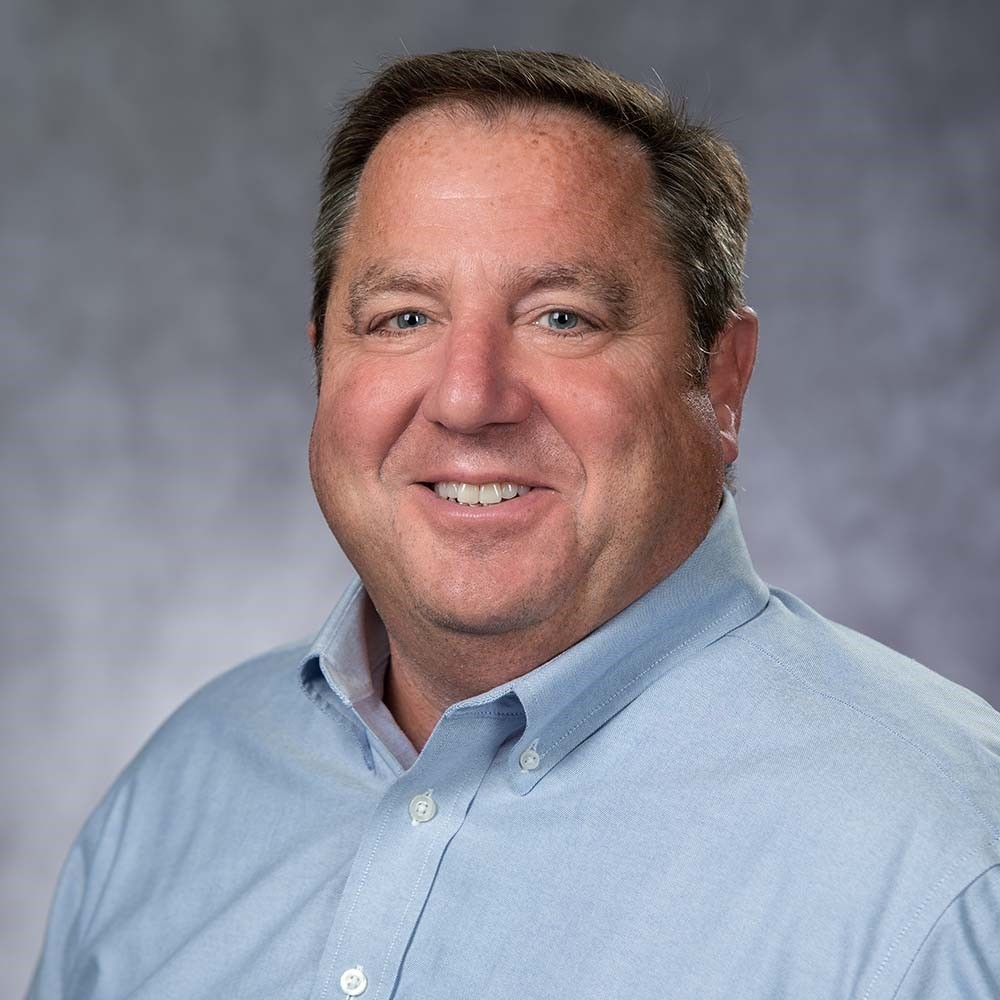
John Walsh
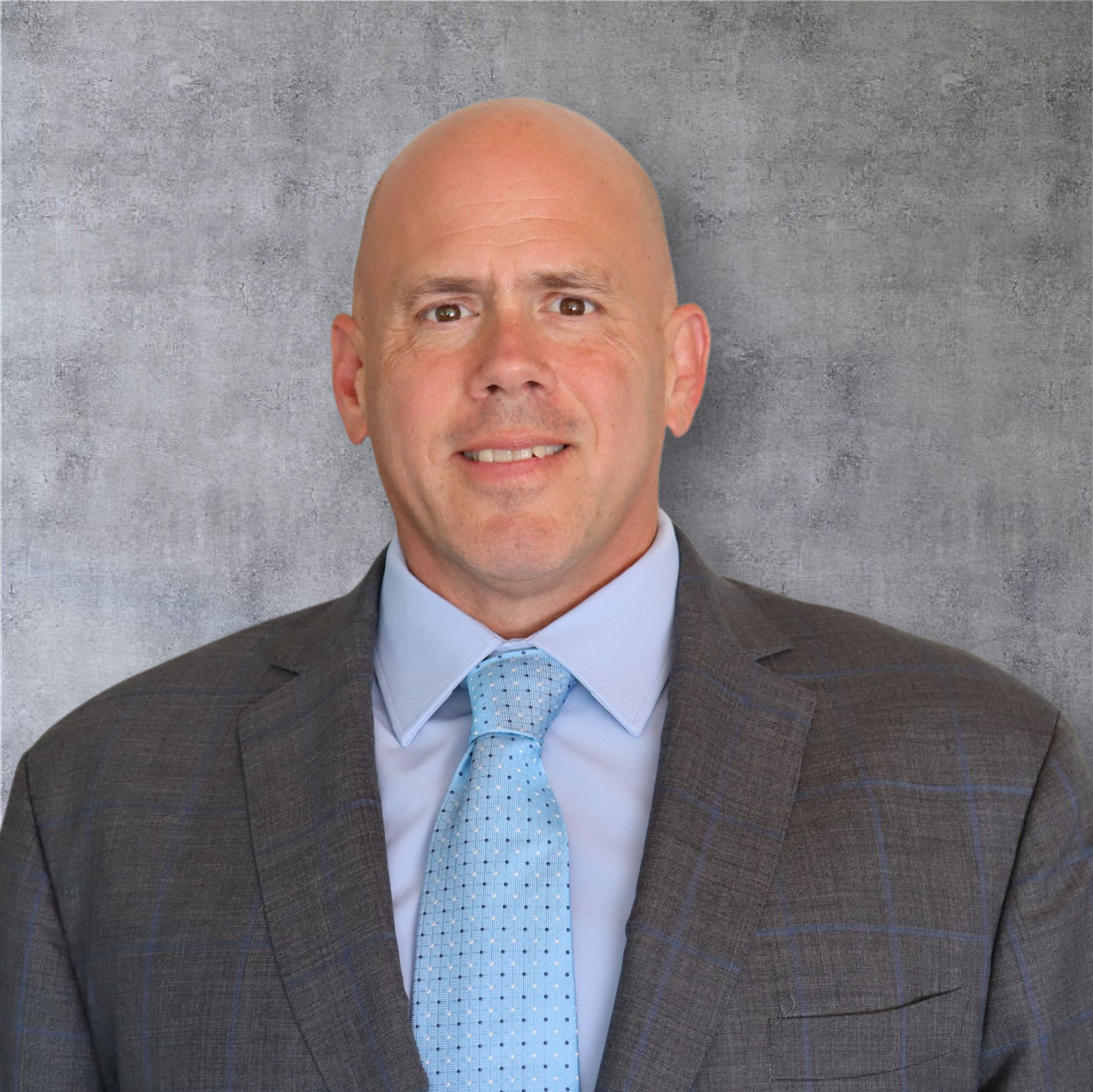
Chris Machenberg
Railway Age magazine has opened the nomination period for its Short Line of the Year and Regional Railroad of the Year awards. Nominations are due Feb. 5.
Winners will be recognized at ASLRRA’s Annual Conference, held April 12 to 14 in Minneapolis, Minnesota. Winners will also be featured in the March issue of Railway Age.
Eligible railroads include those in the U.S., Canada and Mexico. Organizations will be recognized for outstanding achievements in one or several areas such as innovation in operations or maintenance; customer service; turnaround situations and safety improvements.
Views & News is published by American Short Line and Regional Railroad Association.
Please contact Mariel Takamura, associate editor, with questions or comments.


